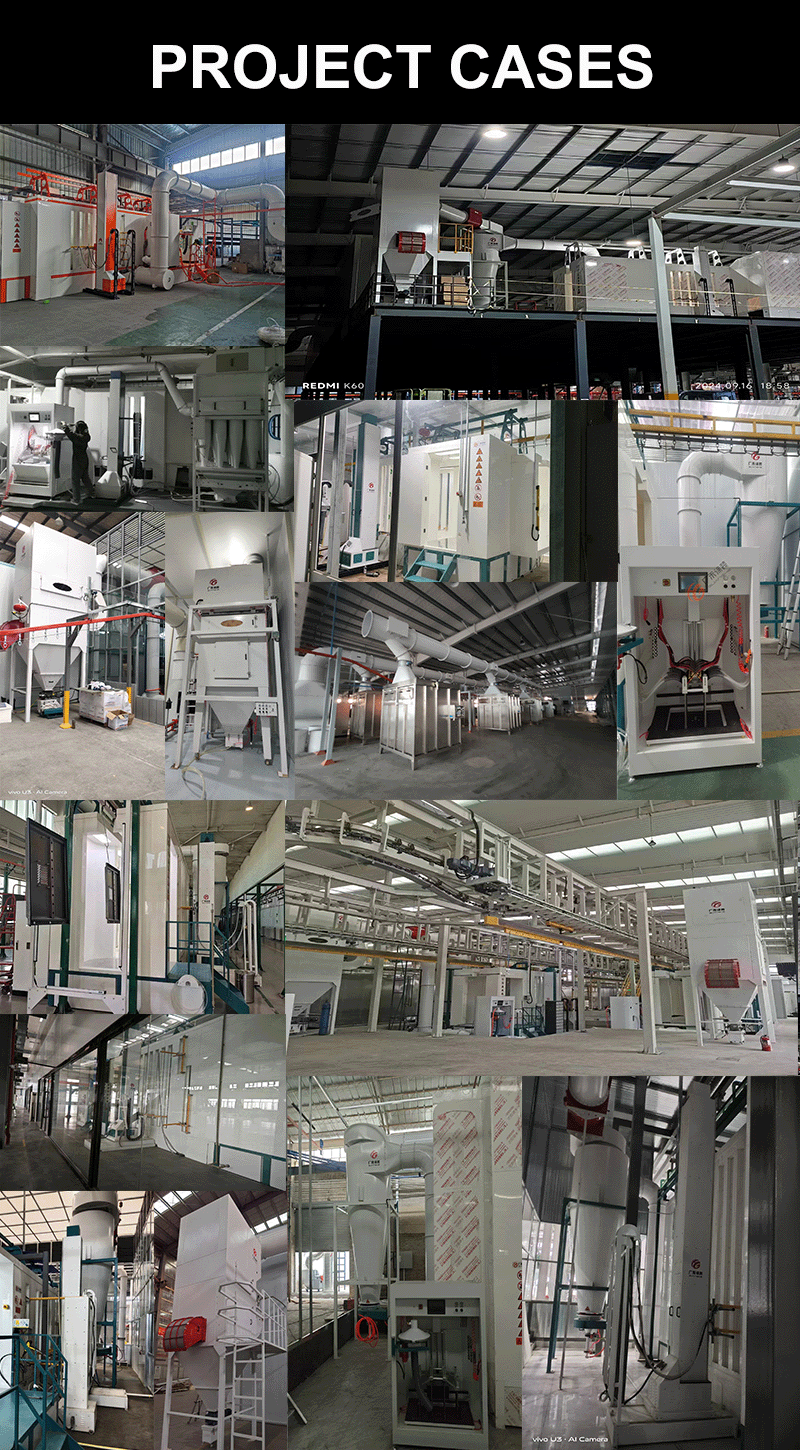
For manufacturers investing in powder coating equipment, choosing between a pneumatic powder coating reciprocator and an electric powder coating reciprocator is a critical decision that directly impacts production precision, operational costs, automation potential, and long-term efficiency—especially for 3–12m architectural aluminum profiles, automotive parts, and industrial metal workpiece spraying. Both reciprocator types power the vertical movement of electrostatic powder coating guns, but their core design, performance, and ideal applications vary drastically.
As a 15-year professional powder coating equipment manufacturer with ISO9001:2015 and CE certification, Guanghe Coating is China’s pioneer of the explosion-proof powder room system, holds 40+ patent certificates, and exports to 100+ countries worldwide. We design and manufacture both high-quality pneumatic and electric (including servo-driven) reciprocators, tailored for different production scenarios and workpiece requirements. In this guide, we break down the key differences between pneumatic and electric reciprocators, compare their core performance metrics, outline their ideal applications, and share expert selection advice—all with our industry-tailored solutions for vertical powder coating lines and industrial spraying setups.
1. Basic Definitions: Pneumatic vs Electric Powder Coating Reciprocators
Before diving into their differences, it’s essential to understand the core drive principle of each reciprocator—this is the foundation of all their performance and functional variations:
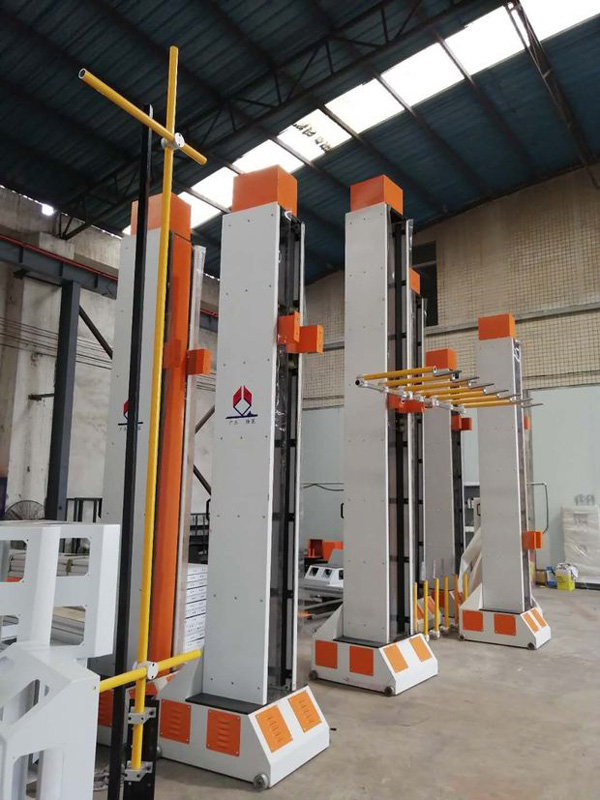
- Pneumatic Powder Coating Reciprocator: A reciprocator powered by compressed air to drive the spray gun carriage’s vertical movement. It relies on air cylinders, pressure regulators, and solenoid valves to control speed and stroke, with no complex electrical control systems.
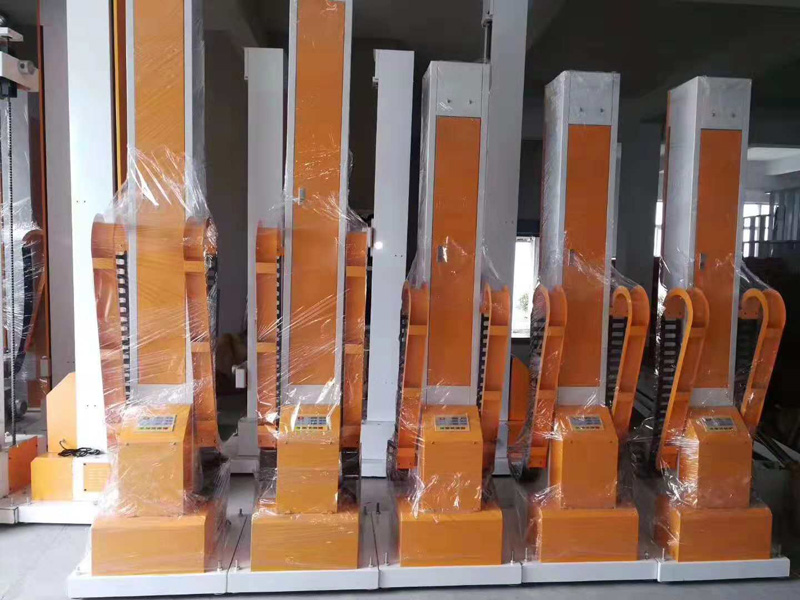
- Electric Powder Coating Reciprocator: A reciprocator powered by an electric motor (AC motor for standard models, servo motor for high-precision models) to drive movement via a lead screw or belt drive. It uses a digital control panel and PLC system to calibrate speed, stroke, and operation programs—our servo-driven electric reciprocators are the gold standard for precision powder coating.
Both reciprocator types from Guanghe are compatible with electrostatic powder coating guns, powder coating booths, and pre-treatment systems, with rugged industrial-grade construction for stable operation in high-temp and dusty workshop environments.
2. Key Differences Between Pneumatic and Electric Reciprocators
The following comparison breaks down the core performance, operational, and cost metrics that matter most for powder coating production. We highlight clear distinctions to help you match the right reciprocator to your workflow—all based on Guanghe’s 15 years of industry experience serving global manufacturers like BYD, GREE, and Honda.
Core Performance & Operation
- Drive Precision: Pneumatic reciprocators offer basic positional control (±5mm tolerance) – suitable for simple workpieces; electric reciprocators (especially Guanghe’s servo-driven models) deliver millimeter-level precision (±0.1mm) with program memory for 80+ production settings, perfect for 3–12m architectural aluminum profiles and complex automotive parts.
- Speed Control: Pneumatic reciprocators have fixed or 2-3 gear speed adjustment (limited flexibility); electric reciprocators feature 0.01m/s–6m/s stepless speed regulation via frequency conversion, adjustable for different powder types and coating thickness requirements.
- Automation Integration: Pneumatic reciprocators support basic on/off automation (hard to sync with conveyor lines); electric reciprocators seamlessly integrate with fully automated vertical powder coating lines, syncing movement with conveyor speed for continuous spraying and zero production downtime.
Operational Costs & Maintenance
- Energy Cost: Pneumatic reciprocators rely on compressed air (high long-term energy cost for air compressors, especially 24/7 production); electric reciprocators use direct electrical power (30–50% lower energy cost) with energy-saving motor design from Guanghe.
- Maintenance Requirements: Pneumatic reciprocators have air hoses, seals, and regulators that need regular replacement (prone to air leaks); electric reciprocators from Guanghe use sealed motors, polyurethane guide rollers, and laser-cut steel frames—low maintenance with only weekly cleaning and monthly calibration needed.
- Spare Part Availability: Pneumatic parts (cylinders, valves) are generic but prone to wear; Guanghe’s electric reciprocator parts are in-house manufactured with global stock, and we provide free spare part guidance for all clients.
Safety & Customization
- Safety Design: Pneumatic reciprocators have minimal electrical components (suitable for basic low-dust environments); electric reciprocators (especially Guanghe’s explosion-proof electric reciprocators) feature sealed electrical components, flame-retardant frames, and EU EMC/ATEX compliance—ideal for high-dust/flammable explosion-proof spraying environments.
- Customization Potential: Pneumatic reciprocators have limited customization (fixed stroke, small gun capacity); Guanghe’s electric reciprocators offer full OEM/ODM customization—1.5m–6m adjustable stroke, 1–12 electrostatic gun capacity, 110V/220V/380V voltage options, and hydraulic lifting for heavy workpieces.
Installation & Space
- Pneumatic Reciprocators: Lightweight, compact, and easy to install (no complex wiring); ideal for small workshops or temporary spraying setups with limited space.
- Electric Reciprocators: Sturdy heavy-duty frame (for high-stability operation); Guanghe offers compact electric models for small workshops, with modular design for easy installation and retrofitting of existing powder coating lines.
3. Ideal Applications for Pneumatic vs Electric Reciprocators
Choosing the right reciprocator comes down to matching its features to your production scale, workpiece specs, automation needs, and workshop environment. Based on our work with 100+ global clients, here are the industry-proven ideal applications for each type—all with Guanghe’s tailored solutions:
Pneumatic Powder Coating Reciprocators – Ideal For:
- Small-batch, low-precision powder coating (e.g., small metal hardware, simple steel frames)
- Small workshops with limited electrical capacity or no automated conveyor lines
- Temporary spraying setups or on-site coating projects (lightweight and portable)
- Budget-focused production with basic coating quality requirements
- Guanghe’s pneumatic reciprocators feature a corrosion-resistant aluminum frame, adjustable spray gun bracket, and pressure-stabilizing design—ensuring consistent basic coating quality for these scenarios.
Electric Powder Coating Reciprocators – Ideal For:
- High-volume mass production (e.g., aluminum window/door profiles, industrial metal frames)
- 3–12m architectural aluminum profiles and curtain wall components (servo-driven precision)
- High-precision coating for automotive parts, agricultural machinery, and heavy industrial components
- Fully automated powder coating lines (sync with conveyors, powder recovery, and curing ovens)
- Explosion-proof spraying environments (Guanghe’s certified explosion-proof electric models)
Our electric reciprocators are the core of Guanghe’s turnkey powder coating solutions, with servo-driven models calibrated exclusively for the architectural aluminum industry—eliminating coating gaps at profile joints and ensuring uniform film thickness for long workpieces.
4. Guanghe’s Pneumatic & Electric Reciprocator Solutions – Engineered for Your Production
- At Guanghe Coating, we don’t just manufacture pneumatic and electric reciprocators—we design them for real-world powder coating production with the quality, durability, and customization that global manufacturers demand. Our reciprocator range is fully compatible with all our powder coating equipment (electrostatic guns, booths, ovens, pre-treatment systems) for a one-stop surface treatment solution:
- Pneumatic Reciprocators: Lightweight, easy to operate, and cost-effective—with adjustable stroke (0.5m–3m) and 1–4 gun capacity, perfect for small and medium-sized workshops.
- Standard Electric Reciprocators: AC motor drive, stepless speed regulation, and digital control—6–8 gun capacity, ideal for high-volume production of standard vertical workpieces.
- Servo-Driven Electric Reciprocators: Millimeter-level precision, 80+ program memory, and 8–12 gun capacity—tailored for 3–12m architectural aluminum profiles, pairing perfectly with our vertical powder coating lines.
- Explosion-Proof Electric Reciprocators: CE/ATEX certified, sealed electrical components, and flame-retardant design—part of our complete explosion-proof powder coating equipment line for high-risk environments.
All Guanghe reciprocators feature laser-cut and welded steel frames, polyurethane guide rollers for zero-abrasion movement, and anti-rust powder coating—ensuring stable operation for 10+ years in harsh industrial conditions. We also offer free on-site/online installation guidance and maintenance training for all clients.
5. Expert Selection Advice: How to Choose the Right Reciprocator
Based on 15 years of industry experience, follow these simple rules to choose between a pneumatic and electric reciprocator—this will ensure you make a decision that boosts production efficiency and avoids costly mismatches:
- Prioritize pneumatic if: You have small-batch production, limited budget, small workshop space, or only need basic coating precision.
- Prioritize electric if: You have high-volume production, 3–12m aluminum profiles/complex workpieces, automated lines, or need explosion-proof safety design.
- Upgrade to servo-driven electric if: Architectural aluminum fabrication is your core business (precision is non-negotiable for long profiles).
- Always choose customized models (Guanghe OEM/ODM) if: You have non-standard workpieces, heavy-duty components, or unique workshop layout requirements.
No matter which type you choose, Guanghe’s engineering team will conduct a free production workflow assessment to ensure your reciprocator integrates seamlessly with your existing powder coating equipment—no full line replacement needed.
6. FAQs About Pneumatic & Electric Powder Coating Reciprocators
Q1: Can a pneumatic reciprocator be upgraded to an electric one for existing powder coating lines?
Yes. Guanghe offers modular retrofitting solutions—we can install an electric drive system on your existing reciprocator frame (if compatible) or design a custom electric reciprocator that fits your existing line, saving you the cost of a full new purchase.
Q2: Are electric reciprocators more expensive than pneumatic ones?
Electric reciprocators have a higher upfront cost, but their 30–50% lower energy cost and low maintenance make them more cost-effective in the long run (1–2 year ROI) for high-volume production. Guanghe offers flexible pricing for small and medium-sized manufacturers.
Q3: Can Guanghe’s electric reciprocators work in explosion-proof environments?
Absolutely. Our explosion-proof electric reciprocators are CE/ATEX and ISO certified, with sealed electrical components, flame-retardant materials, and explosion-proof solenoid valves—they are the ideal solution for high-dust/flammable spraying environments.
Q4: How many spray guns can Guanghe’s reciprocators hold?
Our pneumatic reciprocators support 1–4 guns, while electric reciprocators support 1–12 guns (customizable). For 12m aluminum profiles, we recommend 8–12 guns to cover the entire workpiece in a single pass—boosting production efficiency by 40%+.
Q5: Do Guanghe’s reciprocators come with a warranty?
Yes. All Guanghe pneumatic and electric reciprocators come with a 1-year factory warranty for core components (motor, drive system, control panel), plus lifetime technical support and free online maintenance training.
Get Your Custom Pneumatic/Electric Reciprocator Solution Today
The choice between a pneumatic and electric powder coating reciprocator is not just about cost—it’s about matching the right equipment to your production goals, workpiece specs, and long-term efficiency needs. As a trusted manufacturer with 15+ years of experience and global partnerships, Guanghe Coating has the perfect reciprocator solution for every powder coating scenario—from small-batch basic production to high-precision automated architectural aluminum fabrication.
Explore our full range of pneumatic and electric powder coating reciprocators at our official site: https://www.powdercoatequipment.com/powder-coating-reciprocator