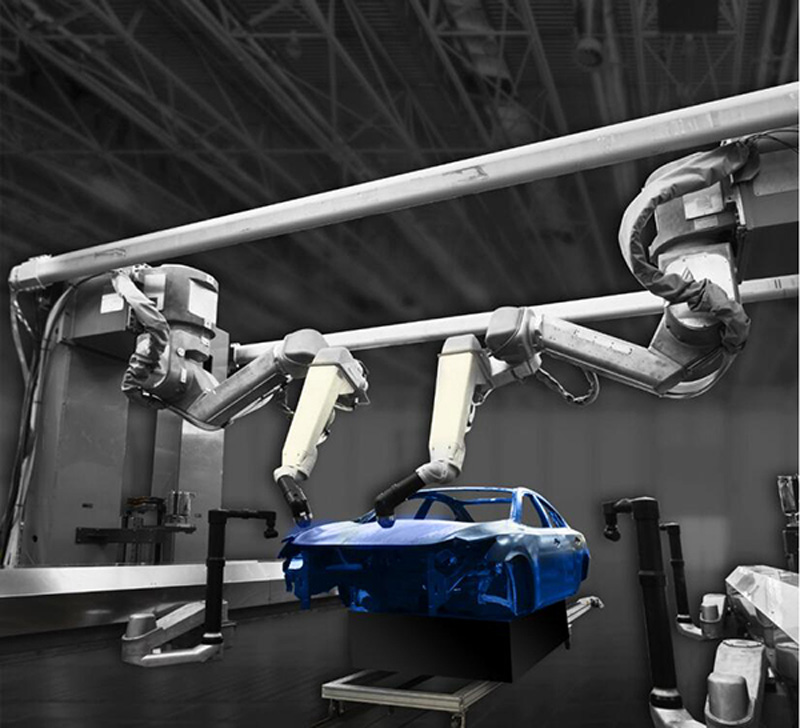
A powder coating robot is a transformative upgrade for industrial powder coating lines—delivering unbeatable precision, 24/7 efficiency, and consistent finishes for aluminum profiles, automotive components, and high-volume hardware. Unlike manual spraying or basic reciprocators, robotic systems eliminate human error, cut powder waste by up to 40%, and scale production for global market demands.
As a 15-year national high-tech enterprise, ISO 9001:2015 certified manufacturer, and pioneer of China’s explosion-proof powder room system, Guanghe Coating engineers custom powder coating robots for global brands like BYD, Honda, and Guangya Aluminum. Our robots integrate seamlessly with electrostatic powder coating guns, powder coating booths, and powder coating ovens to form a fully automated turnkey solution—tailored to your unique production needs.
This guide breaks down the key selection factors, core robot types, and critical compatibility rules to help you invest in a robot that elevates your line, not just adds to it.
1、Key Factors to Choose the Right Powder Coating Robot
There’s no one-size-fits-all robotic system—your choice hinges on workpiece specs, production volume, and safety needs. These 6 critical factors from Guanghe’s engineers will guide your decision:
a. Match Reach & Payload to Workpieces
- 3–12m Aluminum Profiles: 7-axis gantry robots with extended horizontal reach for continuous, dead-zone-free spraying.
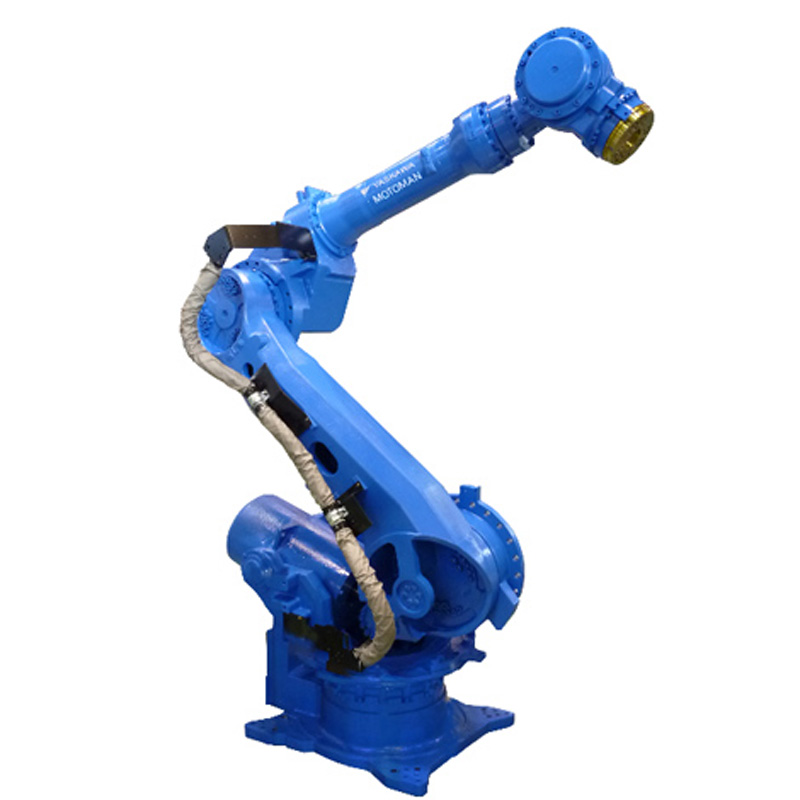
- Intricate Automotive Parts: 6-axis articulated robots (1.5–3m reach) for 360° coverage of complex shapes and tight corners.
- Small Hardware: 4-axis SCARA robots (compact reach) for fast, repetitive spraying of uniform small parts.
- Critical Check: Ensure the robot can carry your electrostatic gun, powder hoses, and tools without performance loss.
b. Align Speed & Cycle Time with Throughput
- Low-Volume Custom Production: 0.5–1m/s spray speed (precision over speed).
- High-Volume Mass Production: 1–3m/s spray speed (synced with fast conveyor lines for aluminum/automotive parts).
- Must-Have: Programmable speed control to adjust for different workpieces without line reconfigurations.
c. Prioritize Explosion-Proof Design (Non-Negotiable)
Powder coating booths have combustible dust—only choose robots with ATEX/CE explosion-proof ratings, dust-tight enclosures, and grounded components. All Guanghe robots feature explosion-proof design as standard, compliant with global industrial safety rules.
d. Ensure Compatibility with Existing Equipment
- A robot is only as good as its integration—avoid costly mismatches by checking:
- Universal mounting for your electrostatic powder coating guns.
- Footprint fit for your powder coating booth and alignment with powder recovery systems.
- PLC sync with your conveyor, oven, and pre-treatment line for fully automated production.
e. Evaluate Programming & Usability
- Small Teams/Beginners: Teach pendant programming (no coding—manual guidance for quick setup).
- Large Automated Facilities: Offline programming (OLP) software—design spray paths on a computer without halting production.
- Pro Tip: Look for pre-set spray programs for common parts (aluminum profiles, automotive panels) to cut setup time by 80%.
f. Check After-Sales Support & Maintenance
- Choose a manufacturer with a global service network (like Guanghe) for on-site repairs, spare parts, and training.
- Opt for modular robots with easy-access panels—simplify routine cleaning/lubrication with no specialized tools.
- Must-have: Built-in diagnostics to alert you to issues before they cause downtime.
2、Core Types of Industrial Powder Coating Robots
Guanghe offers custom variants of the 3 main robot types, all engineered for industrial powder coating:
- 6-Axis Articulated Robots:Best for: Complex 3D workpieces (automotive components, machinery parts) | Key benefit: Unmatched maneuverability for hard-to-reach areas.
- 7-Axis Gantry Robots:Best for: Long linear workpieces (3–12m aluminum profiles, structural steel) | Key benefit: Extended reach for single-pass continuous spraying.
- 4-Axis SCARA Robots:Best for: Small, uniform hardware | Key benefit: Compact footprint, fast cycle times, and low cost for medium-volume production.
Best for: Small, uniform hardware | Key benefit: Compact footprint, fast cycle times, and low cost for medium-volume production.
3、Common Mistakes to Avoid
Steer clear of these costly errors that derail robot investments:
- Over/Under-specifying: A 6-axis robot for small hardware (wastes money) or a compact robot for long aluminum profiles (poor coverage).
- Ignoring explosion-proof design: Risks fines, fire hazards, and equipment failure in powder environments.
- Neglecting integration: Choosing a robot that doesn’t sync with your guns/booth/PLC (requires costly modifications).
- Overlooking usability: Complex programming leads to training costs and slow new part setup.
- No global support: Extended downtime for repairs in international facilities with no on-site service.
4、Why Guanghe’s Powder Coating Robots Are the Right Choice
Global brands trust Guanghe’s robots for our focus on customization, integration, and safety—all backed by 15+ years of expertise and 40+ patents:
Custom Tailored: Built for your exact workpiece (aluminum/automotive/hardware) with custom reach, speed, and payload.
- Seamless Integration: Factory-calibrated for Guanghe’s guns, booths, ovens, and powder coating turnkey solutions—zero setup issues.
- Explosion-Proof Certified: ATEX/CE/ISO safety ratings for dust-prone powder coating environments.
- User-Friendly: Teach pendant + OLP options, with pre-set programs for common industrial parts.
- Global Support: Service teams in 50+ countries for on-site installation, calibration, and maintenance.
- Waste Reduction: Precision spray control cuts over-spray by 40%, lowering material costs.
5、Conclusion: Choose a Robot That Grows With Your Line
The right powder coating robot isn’t just equipment—it’s a scalable investment that eliminates error, boosts production volume, and delivers factory-perfect finishes every time. Generic robots lack the customization and safety needed for industrial powder coating, but Guanghe’s robots are engineered from the ground up for your line’s unique demands.
Whether you need a gantry robot for aluminum profiles or a 6-axis robot for automotive parts, Guanghe designs a solution that fits your production—now and as you scale.
6、Ready to Choose Your Perfect Powder Coating Robot?
Explore Guanghe’s full range of explosion-proof industrial powder coating robots—6-axis, 7-axis gantry, 4-axis SCARA—at https://www.powdercoatequipment.com/.
For a free custom robot recommendation based on your production needs, contact our export team:
Tel: +86-18520992137
Email: ghexport@coatmach.com