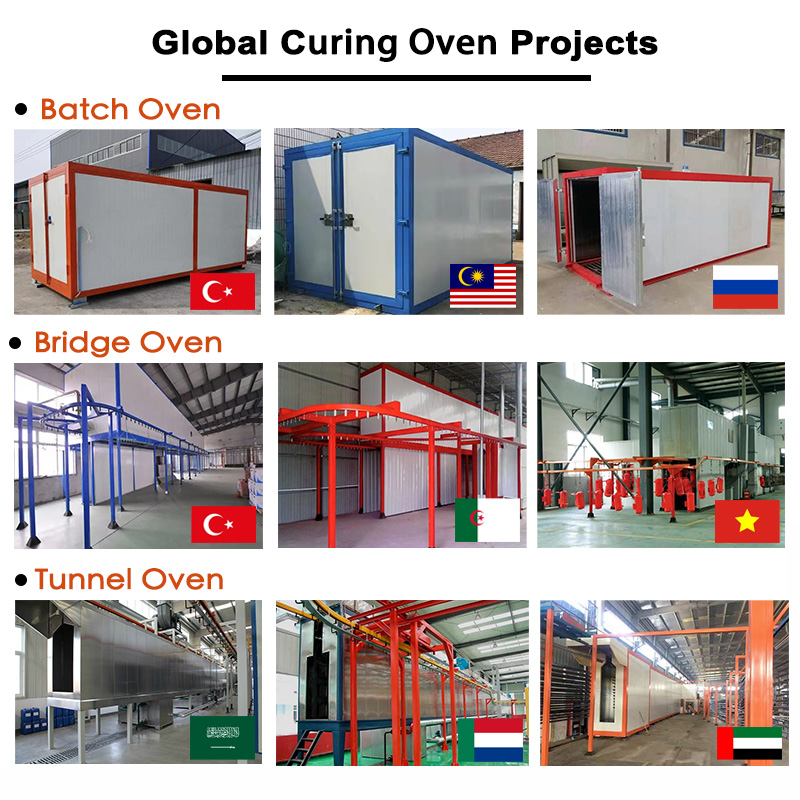
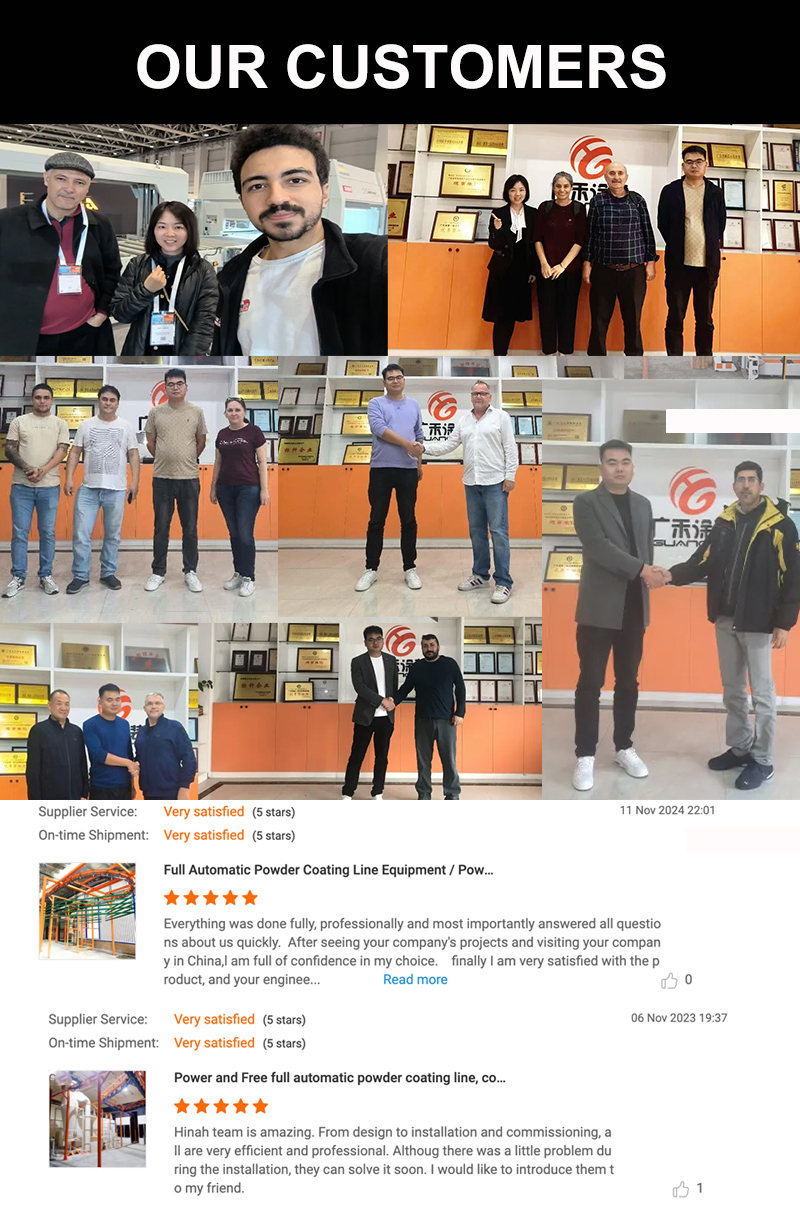
For high-volume powder coating operations—processing aluminum profiles, automotive components, or industrial parts—energy costs account for 30–40% of total operating expenses. A standard powder coating oven wastes energy through heat loss, inefficient heating, and poor temperature control, eating into profits even as production demands rise. But an energy-efficient oven doesn’t just cut costs—it boosts output by reducing cycle times and ensuring consistent curing. As a 15-year industry leader and pioneer of China’s explosion-proof powder coating systems, Guangdong Guanghe Coating Equipment Co., Ltd. (Guanghe) has engineered energy-saving ovens trusted by 500+ high-output clients (including 华建铝业,比亚迪汽车,and 格力). Below, we break down the critical factors to choose the right model, integrated with our ISO9001:2015 certified, high-efficiency solutions (available at www.powdercoatequipment.com).
1. Prioritize Heating Technology: Balancing Speed & Energy Savings
The heating system is the heart of an energy-efficient oven—generic ovens use single-mode heating (e.g., only electric or gas) that wastes energy on high-output runs. A top-tier oven combines heating technologies to cut energy use while ramping up production:
- Dual heating (infrared + hot air circulation): Guanghe’s Powder Coating Oven integrates infrared heating (for fast surface curing) and forced hot air circulation (for deep, uniform heat penetration). This reduces curing time by 20% vs. single-mode ovens—critical for high-output lines (1000t+/month) while cutting energy consumption by 25–30%.
- Energy-efficient heat sources: We offer gas, electric, or hybrid heating options tailored to your local energy costs. Our electric ovens use high-efficiency heating tubes (95% heat conversion rate), while gas models feature low-NOx burners that meet EU REACH and Chinese GB standards—no trade-off between output and sustainability.
- Patented heat distribution: Our ovens use 360° airflow baffles (a patented design) to eliminate “cold spots,” ensuring all parts cure uniformly. This reduces rework rates to <1%, a game-changer for high-volume production where even small defects multiply costs.
Case study: A client in Vietnam processing 1500t/month of aluminum profiles switched from a generic electric oven to Guanghe’s dual-heat model. Their monthly energy bill dropped by $8,000, and curing capacity increased by 30%—all while maintaining Qualicoat compliance.
2. Insulation & Sealing: Stop Heat Loss in High-Cycle Operations
High-output ovens run 24/7—poor insulation means constant heat loss, forcing the system to work harder and use more energy. A good oven’s insulation is engineered for non-stop use:
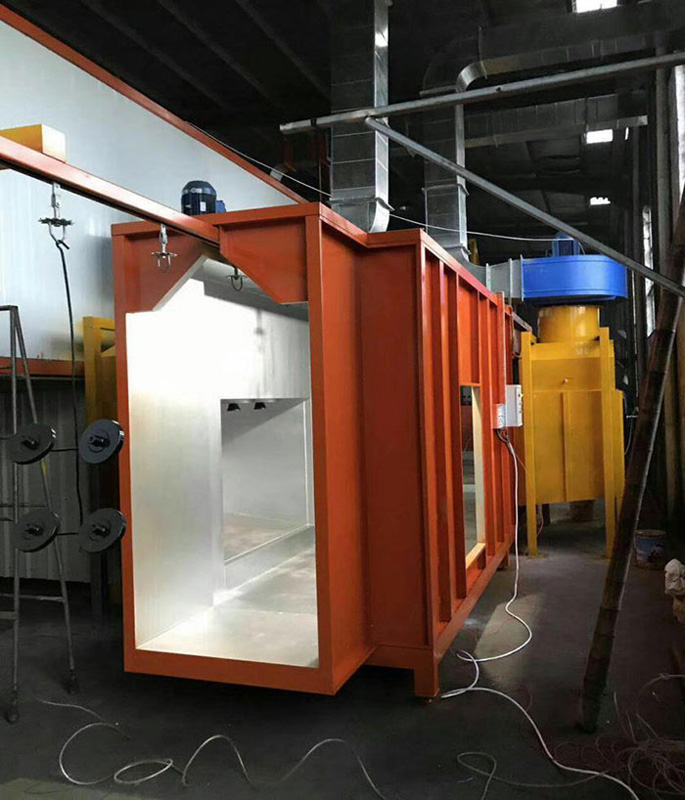
- High-density insulation materials: Guanghe’s ovens use 100mm thick rock wool insulation (density ≥120kg/m³) and 304 stainless steel inner walls. This reduces heat loss to <5% (vs. 15–20% for generic ovens), keeping internal temperatures stable even during frequent door openings (common in high-output lines).
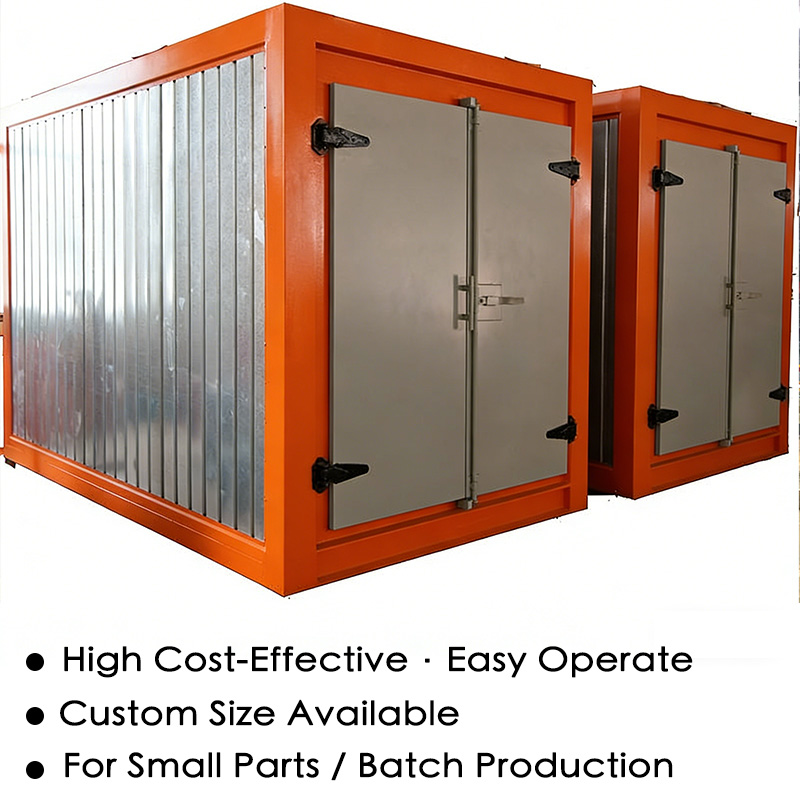
- Airtight sealing systems: Our oven doors feature double-layer silicone gaskets and automatic pressure locks that prevent hot air leakage. For conveyorized lines, we use adjustable curtain seals around entry/exit points—no gaps where heat escapes, even as parts move continuously.
- Heat recovery integration: For ultra-high-output lines (2000t+/month), we integrate waste heat recovery systems that capture exhaust heat to preheat incoming air. This cuts energy use by an additional 15–20%, as seen in our turnkey solutions for 华建铝业’s 3000t/month aluminum profile plant.
Why it matters: A standard oven loses enough heat in a year to power 10 small factories. Guanghe’s insulation design pays for itself in 8–12 months—critical for high-output operations where energy costs compound rapidly.
3. Smart Temperature Control: Precision = Efficiency for High Output
Inconsistent temperatures lead to rework (wasting energy and materials) and slow production. An energy-efficient oven for high output needs intuitive, precise controls:
- Digital precision with PLC integration: Our ovens use Mitsubishi PLCs and Omron temperature sensors (±1℃ accuracy) to maintain set temperatures (160–220℃) for polyester, epoxy, and hybrid powders. The touchscreen interface stores 50+ curing recipes, allowing quick switches between parts—ideal for high-mix, high-volume lines.
- Auto-adjustment for production loads: Unlike basic ovens that run at full power regardless of load, Guanghe’s smart ovens adjust heating intensity based on the number of parts inside. This saves energy during partial loads while ensuring fast curing when production peaks.
- Remote monitoring & optimization: For 24/7 operations, our ovens offer remote access (via mobile/desktop) to track temperature, energy use, and cycle times. Our engineers can even suggest adjustments to cut energy costs further— a service valued by clients running multi-shift production.
Compare this to generic ovens: Manual temperature controls require constant monitoring and often lead to overheating (wasting energy) or under-curing (wasting parts). Guanghe’s digital controls reduce human error and energy waste by 30%.
4. Structural Design: Fit for High-Volume Throughput
An energy-efficient oven must handle high output without sacrificing efficiency—its size, conveyor integration, and layout are critical:
- Customizable internal dimensions: We design ovens with widths of 1.5–3m and lengths of 6–12m, tailored to your parts (e.g., 12m aluminum profiles or bulk automotive components). Our extra-large models can process 500+ parts per hour, matching the throughput of full-automatic coating lines (like our Full-Automatic Vertical Coating Line).
- Conveyor compatibility: Our ovens integrate seamlessly with chain-driven or belt conveyors (adjustable speed: 0.5–2m/min) to sync with your coating line. This eliminates bottlenecks—no more parts piling up while waiting for curing.
Space-saving footprint: Vertical or compact horizontal designs cut floor space use by 25% vs. bulky generic ovens, a key advantage for factories expanding high-output lines without extra workshop space.
5. Compliance & Long-Term Reliability: Avoid Hidden Costs
High-output operations can’t afford downtime or non-compliance fines. A good energy-efficient oven must meet global standards and stand up to 24/7 use:
- Global certifications: Guanghe’s ovens hold CE, SGS, and ISO9001:2015 certifications, ensuring compliance with EU EMC Directive (EN55032:2018), US EPA standards, and Chinese explosion-proof regulations. This simplifies exporting to 100+ countries (as our clients do).
- Durable construction: Industrial-grade components (Mitsubishi motors, corrosion-resistant stainless steel) ensure a 12–15 year lifespan—twice as long as cheap ovens. Our clients report <3 days of annual downtime, critical for high-output lines where every hour of inactivity costs thousands.
- Eco-friendly compliance: We integrate Waste Gas & Waste Water Treatment Equipment into turnkey solutions, ensuring low emissions and compliance with green building standards (e.g., LEED). This is a must-have for clients supplying architectural or automotive brands focused on sustainability.
6. Calculate Total Cost of Ownership (Not Just Upfront Price)
Energy efficiency isn’t just about low monthly bills—it’s about long-term savings. When choosing an oven for high output, focus on total cost of ownership (TCO):
- Energy savings: Guanghe’s ovens save $5,000–$15,000 annually (depending on output), adding up to $100,000+ over 10 years.
- Maintenance costs: Standardized parts and easy access to components reduce maintenance expenses by 40% vs. generic ovens. We stock critical parts globally, ensuring delivery within 3–5 days.
- ROI timeline: Our high-efficiency ovens typically pay for themselves in 8–12 months—faster for ultra-high-output lines (2000t+/month).
Pro tip: Avoid cheap ovens with low upfront costs—they often use low-quality insulation and heating elements, leading to 2x higher energy bills and frequent breakdowns. Guanghe’s TCO calculator (available on our website) helps you compare costs over 5, 10, and 15 years.
Conclusion: Choose an Oven That Grows with Your High-Output Goals
An energy-efficient powder coating oven for high output isn’t just a tool—it’s a profit driver that cuts costs, boosts 产能,and ensures compliance. Guanghe’s ovens are engineered for the unique demands of 24/7 production, combining dual heating, precision insulation, smart controls, and global support. Whether you’re processing 1000t/month of aluminum profiles or 50,000 automotive parts, our custom solutions adapt to your needs.
Ready to slash energy costs and boost output? Browse our Energy-Efficient Powder Coating Oven collection or contact our engineers for a free energy audit. We’ll analyze your production volume, part types, and energy costs to recommend an oven that maximizes ROI—just like we’ve done for 华建铝业,比亚迪汽车,and 500+ other high-output clients worldwide.