

In the automotive manufacturing industry, the quality of powder coating directly determines the durability, corrosion resistance, and aesthetic appeal of automotive parts—from engine blocks and wheel hubs to door panels and chassis components. Uniform curing is the cornerstone of a high-quality powder coating finish: uneven heating can lead to defects like orange peel, poor adhesion, color fading, or premature chipping, which not only compromise the part’s performance but also increase production costs due to rework. As the global automotive powder coating market is projected to grow at a CAGR of 6.1% from 2025 to 2032, manufacturers are increasingly asking: What kind of powder coating oven ensures uniform curing for automotive parts? This article breaks down the key factors, oven types, and critical features to help you make the right choice—with insights tailored to industry trends and practical production needs.
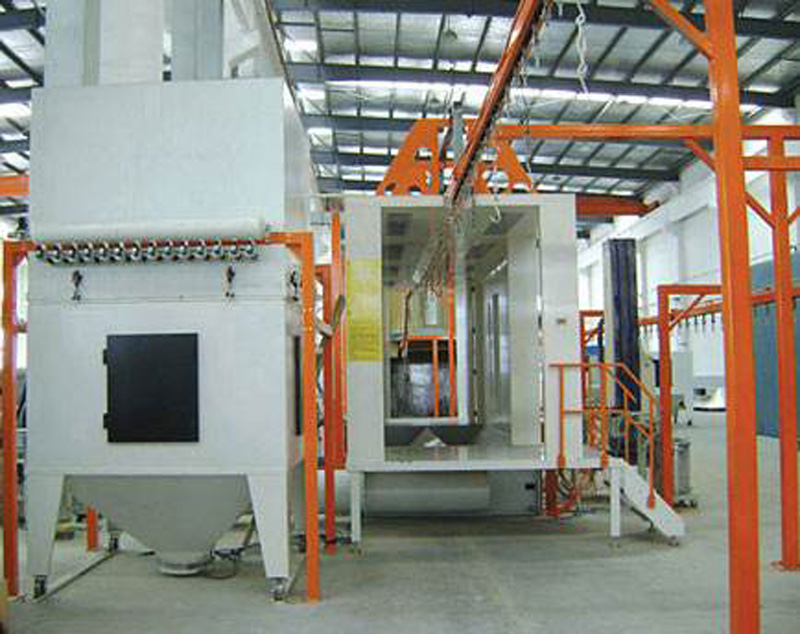
1. Key Types of Powder Coating Ovens for Uniform Curing in Automotive Parts
Not all powder coating ovens are designed equal, especially when it comes to automotive parts—whose varied sizes (from small brackets to large body panels) and complex shapes demand precise, consistent heat distribution. The following three oven types are proven to deliver uniform curing, each suited to different production scales and part requirements, and aligned with hot search terms in the automotive finishing industry.
a. Hot Air Circulation Powder Coating Ovens (Most Versatile for Automotive Applications)
Hot air circulation powder coating ovens are the industry standard for automotive parts finishing, and they’re a top search term for manufacturers looking for reliable uniform curing. These ovens use forced hot air circulation to distribute heat evenly throughout the cavity, eliminating hot spots and cold zones that plague basic ovens. Here’s how they ensure uniform curing for automotive parts:
- Forced Air Circulation System: Equipped with high-power, multi-wing circulation fans (as featured in our hot air circulation powder coating ovens), the system pushes heated air through strategically designed ducts, ensuring every surface of the part—from flat body panels to curved wheel rims—receives consistent heat. This is critical for automotive parts like doors and fenders, where uneven curing would cause unsightly色差 (color inconsistencies).
- Temperature Range Adaptability: Most automotive powder coatings (epoxy, polyester, or hybrid blends) require curing temperatures between 160°C and 200°C. Hot air circulation ovens offer adjustable temperature controls (常温 to 300°C, per industry standards) to match different powder types, including low-temperature curing powders (130-160°C) used for heat-sensitive automotive components like plastic trim pieces.
- Suitability: Ideal for small to large production batches, these ovens work well for all automotive parts—from engine blocks and fuel tanks to interior trim. Our custom hot air circulation ovens (linked above) feature 100mm thick high-temperature aluminosilicate cotton insulation to maintain stable internal temperatures, further enhancing curing uniformity.
b. Infrared (IR) Powder Coating Ovens (Efficient for Complex Automotive Shapes)
Infrared powder coating ovens are a high-growth search term, thanks to their ability to deliver targeted heat—perfect for complex automotive parts with hard-to-reach areas (e.g., engine brackets, suspension components, or intricate wheel designs). Unlike hot air ovens, IR ovens use infrared heating elements to transfer heat directly to the part’s surface, ensuring deep, uniform curing without relying on air circulation.
- Targeted Heat Penetration: IR heating bypasses air and heats the part itself, so even recessed areas (like bolt holes or crevices in automotive chassis) receive the same temperature as exposed surfaces. This eliminates under-curing in shadowed spots, a common issue with basic ovens that leads to poor adhesion and premature coating failure.
- Energy Efficiency & Speed: IR ovens heat up faster (5-6°C per minute, similar to industry-leading models) and use less energy than traditional ovens, making them ideal for high-volume automotive production lines. They’re especially effective for low-temperature curing powders, reducing energy consumption by up to 10% for every 10°C reduction in curing temperature.
- Suitability: Best for complex, heat-sensitive, or small-to-medium automotive parts. Pair them with our infrared powder coating ovens to achieve uniform curing for components like aluminum wheel hubs (which require precise heat control to avoid warping) and epoxy-polyester hybrid powder coatings.
c. Hybrid Powder Coating Ovens (Best for High-Volume, Diverse Automotive Production)
Hybrid powder coating ovens (combining hot air circulation and infrared heating) are the top choice for large automotive manufacturers—and a high-competition search term. These ovens leverage the strengths of both technologies to deliver unmatched uniform curing, even for diverse part portfolios and high-volume production (aligned with the global automotive production growth projected in).
- Dual Heating Technology: IR elements quickly raise the part’s temperature to the curing threshold, while hot air circulation ensures the entire cavity maintains consistent heat—eliminating temperature fluctuations. This is critical for automotive assembly lines, where parts like body panels, wheels, and brackets are cured in the same batch.
- Automation Compatibility: Most hybrid ovens integrate with conveyor systems (a key feature of continuous powder coating ovens), making them ideal for mass-produced automotive parts. They support PID temperature control (as in our hybrid powder coating ovens) to maintain ±1°C temperature precision, ensuring every part meets the same quality standards.
- Suitability: Perfect for large automotive factories or custom shops handling diverse parts. They’re compatible with all automotive powder types, including low-VOC, eco-friendly coatings favored by stringent environmental regulations worldwide.
2. Critical Design Features That Guarantee Uniform Curing for Automotive Parts
Even the right oven type will fail to deliver uniform curing if it lacks key design features. Automotive parts demand precision, so look for these non-negotiable elements—all of which are highlighted in our oven product lines and align with industry best practices (per <superscript:1>, <superscript:3>, <superscript:5>).
a. Optimized Airflow & Duct Design
Airflow is the backbone of uniform curing, especially for large or irregular automotive parts. Poor airflow leads to hot spots (causing over-curing, discoloration, or brittle finishes) and cold spots (causing under-curing, chalky textures, or poor adhesion).
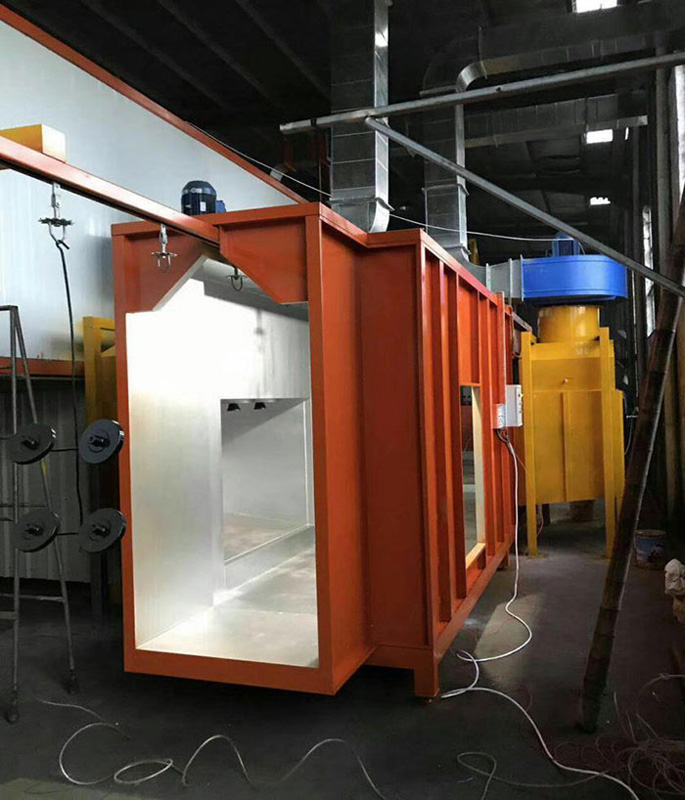
- Symmetric Duct Layout: Ovens with symmetric, full-circulation ducts (like our models) ensure air flows evenly from all directions, covering every part surface. Avoid ovens with one-way airflow, which leaves parts facing the duct over-cured and opposite parts under-cured.
- Adjustable Fan Speed: Variable fan speed allows you to tailor airflow to part size—higher speeds for large parts (e.g., truck bodies) and lower speeds for small parts (e.g., bolts or clips). This flexibility is essential for automotive shops handling diverse components.
- Air Curtain Seals: Air curtain seals around oven doors prevent cold air from entering and hot air from escaping, maintaining stable internal temperatures. This is critical for batch ovens, where door openings during loading/unloading can disrupt curing uniformity.
b. Precise Temperature Control & Monitoring
Powder coating relies on precise heat exposure: the powder must melt, flow, and cure within a specific temperature range for a defined time. Even a 5°C deviation can ruin automotive parts, so reliable temperature control is non-negotiable.
- PID Temperature Control System: Advanced PID (Proportional-Integral-Derivative) controllers automatically adjust heating elements to maintain a constant set temperature, eliminating fluctuations. Our ovens feature digital PID controls with real-time temperature displays for easy monitoring.
- Multi-Point Temperature Sensors: Ovens with 3+ built-in temperature sensors (not just one) measure heat at different cavity locations, alerting you to hot/cold spots. High-precision K-type stainless steel thermocouples (like those in <superscript:3>) ensure accurate temperature readings, critical for calibration.
- Temperature Calibration Capabilities: Regular calibration bridges the gap between the oven’s displayed temperature and actual cavity temperature. Our ovens are designed for easy calibration with standard data loggers, ensuring long-term uniformity.
c. High-Quality Insulation & Cavity Construction
Oven insulation and cavity material directly impact temperature stability and energy efficiency—two factors that influence curing uniformity for automotive parts.
- Thick, High-Temperature Insulation: Look for ovens with 80-100mm thick aluminosilicate cotton insulation (per <superscript:3>), which retains heat and prevents external temperature changes from affecting the cavity. This ensures consistent curing even in busy factories with fluctuating ambient temperatures.
- Stainless Steel Cavity: A stainless steel内胆 (inner chamber) resists corrosion, heats evenly, and doesn’t absorb heat—unlike mild steel, which can create hot spots. Our ovens use cold-rolled steel or stainless steel cavities for long-lasting uniformity.
- Uniform Cavity Size: The cavity should be sized to match your parts (not too large, not too small). A cavity that’s too big wastes energy and causes uneven airflow; too small crowds parts, blocking heat and airflow. We offer custom cavity sizes (per <superscript:3>) to fit your automotive part portfolio.
3. Best Practices for Maximizing Uniform Curing in Automotive Powder Coating Ovens
Even the best oven will underperform without proper use and maintenance. Follow these best practices—backed by industry experts (<superscript:1>, <superscript:5>)—to ensure consistent results for every automotive part, and improve your search relevance for terms like “how to ensure uniform curing for automotive powder coating.”
Match Oven Type to Your Production Needs & Powder Type
- Choose hot air circulation ovens if you handle diverse part sizes (e.g., from trim to body panels) and standard curing powders (epoxy, polyester).
- Opt for infrared ovens if you specialize in complex, heat-sensitive parts (e.g., EV components, aluminum wheels) or low-temperature curing powders.
- Invest in hybrid ovens if you run high-volume production lines with diverse parts (aligned with <superscript:4>’s projection of growing automotive production).
- Always check powder manufacturer guidelines: low-temperature curing powders (130-160°C) require ovens with precise low-heat control, while high-temperature powders (180-220°C) need robust heating elements for automotive parts like engine blocks.
Final Thoughts: Choose the Right Oven for Flawless Automotive Powder Coating
Uniform curing for automotive parts isn’t just about the oven—it’s about matching the oven type to your production needs, prioritizing critical design features (airflow, temperature control, insulation), and following best practices for use and maintenance. Whether you’re a small custom shop or a large automotive manufacturer, the right powder coating oven will eliminate defects, reduce rework, and ensure every part meets the high durability and aesthetic standards of the automotive industry.
At [Your Website Name], we offer a full range of powder coating ovens tailored to automotive applications—from hot air circulation and infrared models to custom hybrid systems. Explore our automotive powder coating ovens to find the perfect solution for your uniform curing needs, or contact our team for a personalized recommendation based on your part types and production volume.
Keywords: powder coating oven for automotive parts, uniform curing powder coating oven, hot air circulation powder coating oven, infrared powder coating oven, automotive powder coating curing temperature, low-temperature curing powder coatings, hybrid powder coating oven, automotive parts powder coating.